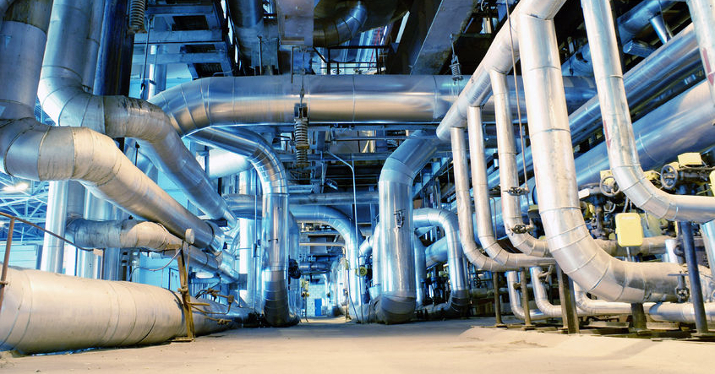
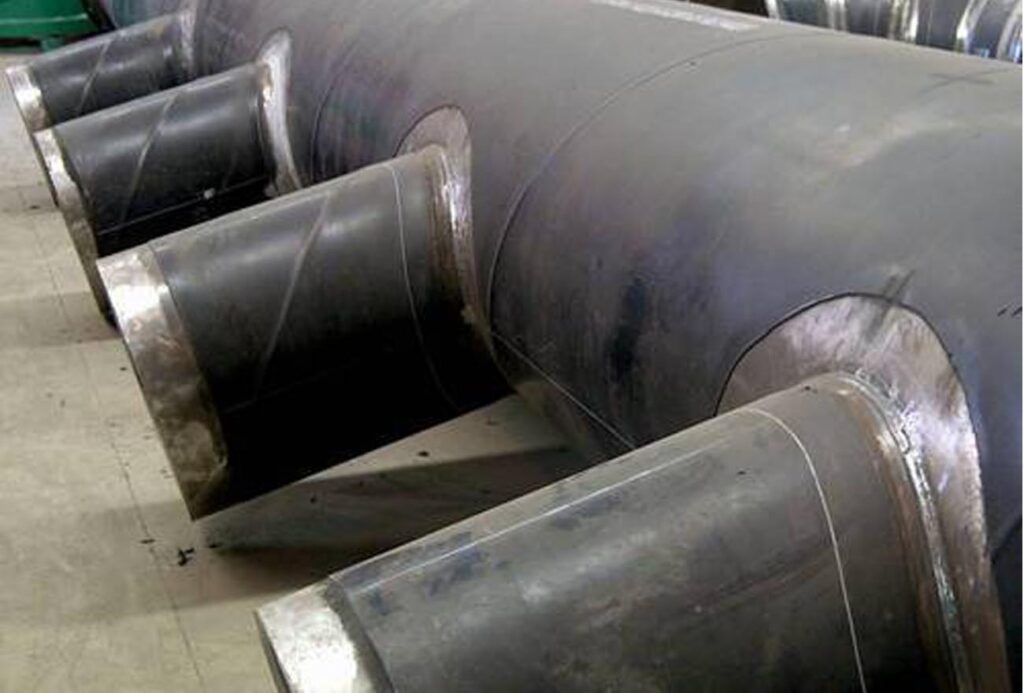
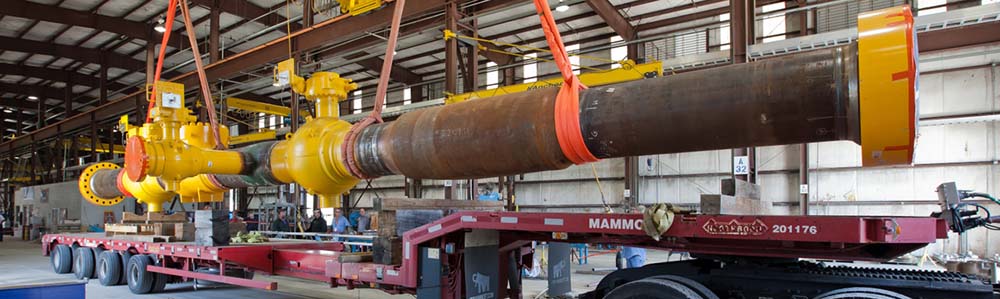
Pipe fabrication can be defined as the process of cutting, bevelling, and welding piping components such as pipes, tees, elbows, flanges, reducers, etc., as dictated by the design documents. In the process and power piping industry, Piping fabrication is a highly critical activity as it involves hundreds of components and thousands of steps and requires a high degree of precision. In any construction project wherever piping networks are involved, piping fabrication needs to be properly planned, scheduled, and executed as per design requirements. To maintain the system integrity, proper functioning of each item, and minimize accidents, It is required to ensure maximum quality of work during pipe fabrication.
Types of PipingFabrication
Depending on the location of the pipe fabrication work they are classified into two groups.
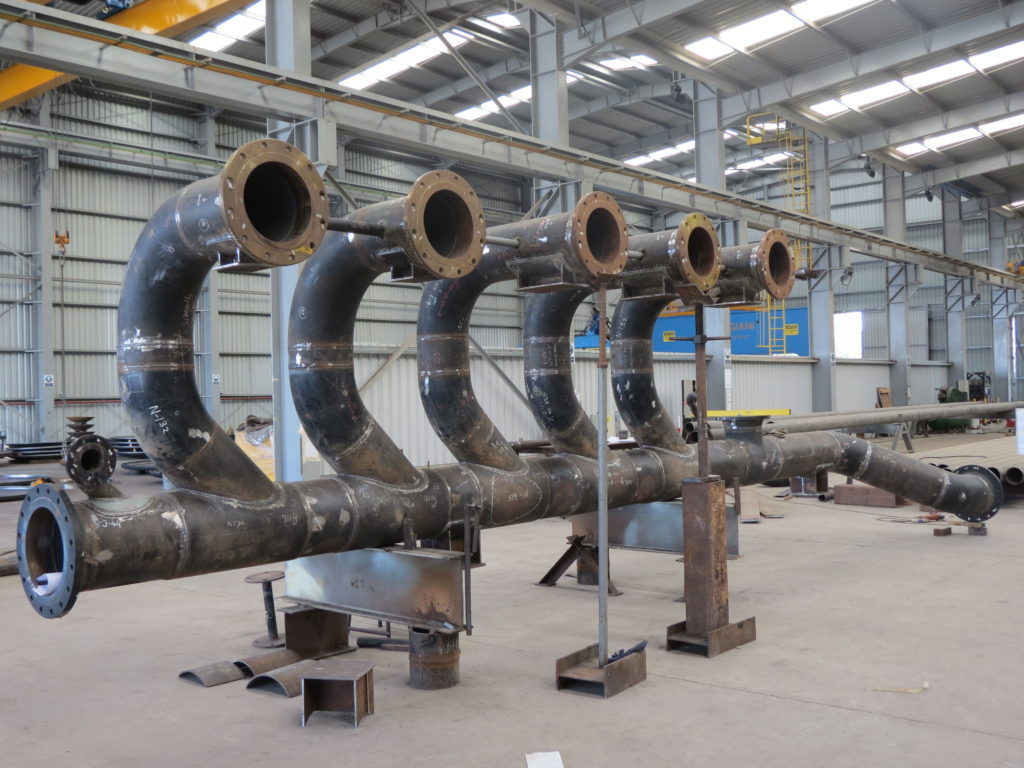
Shop Pipe Fabrication and
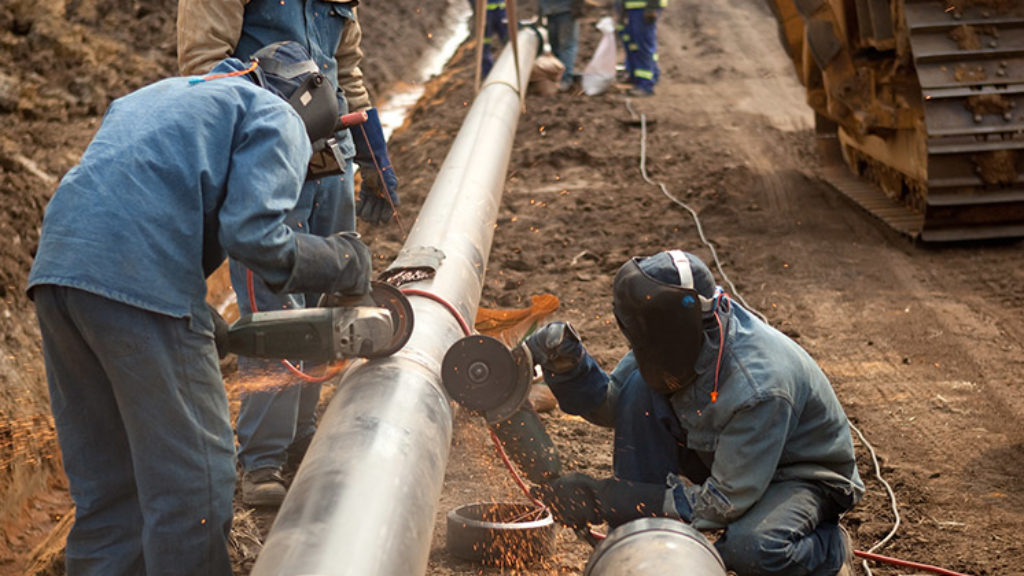
Field Pipe Fabrication
Various factors determine whether pipes will be shop fabricated or field fabricated or both methods will be used. In most cases, both shop and field pipe fabrication is used. The major deciding factors are profitability, type, and size of the project, piping material, and size, post-fabrication surface treatment, environmental condition, accessibility of equipment, skilled personnel availability, time requirement, and availability, etc.
In general practice, small bore pipes, threaded and socket welded pipes are field fabricated whereas butt welded pipes, pipe bending, modular items, etc are shop fabricated.
In the Shop pipe fabrication process pipe, fittings and components are assembled by welding into spool assemblies at the fabricator’s facility or a workshop normally known as a pipe fabrication shop. The spools are then labeled using an identifier and transported to the construction site for installation. Whereas in the field pipe fabrication all these assemblies are done at the construction site.